by Yasmin | 6 Apr, 2023 | Blog, News, Pug Health
Written by Helen McKee (MRCVS)
PDWRA Vet.
For this month’s health topic, I’m writing about seizures, which I suspect a significant number of you have had the misfortune of experiencing.
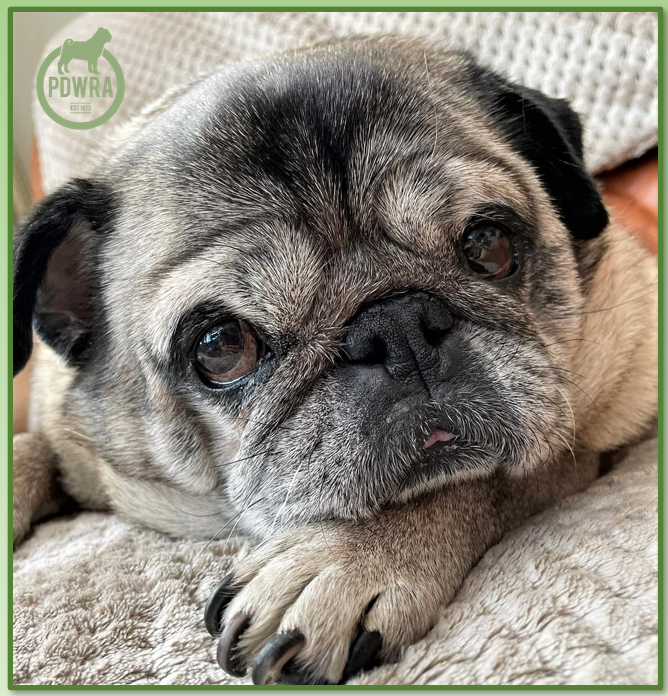
The conformation (shape) of a pug’s skull has been altered compared to non-brachycephalic dog breeds, such that it can alter brain function through both physiology (normal working of brain) and actual physical boundaries.
Since the brain is compromised because of these factors, it can result in a variety of brain conditions, the most common being seizures, which we see all too commonly in pugs.
A seizure can be a very frightening thing to observe, especially when it is your own dog. They can vary from what is known as a ‘Petit Mal’, when the signs are very mild, to a full blown ‘Grand Mal’ with severe signs such as shaking, rigidity, frothing of mouth and involuntary urination and/or defecations.
Pugs can have seizures for a variety of reasons, but the most common cause is ‘idiopathic epilepsy’, that is, epilepsy of an unknown cause, however it is important to rule out other conditions before coming to this diagnosis.
If your pug has a seizure, make a note of time, date, length of episode and severity (seizure diary). A video of the episode is really helpful for a vet, though easier said than done when witnessing your pug having a seizure which can be very distressing.
If the pug comes out of it quickly and appears normal after, it may be a one off. I have seen pugs have one off seizures as a result of some ‘stress’ on the body, such as a change in the environment (a new puppy!) or it’s body (an infection like cystitis).
It may be a one-off event, however if it happens again, you will need to take your dog to the vets to be examined. The vet will likely take blood to look for metabolic conditions that can cause seizures, such as liver disease (hepatic encephalopathy). By far the majority of times, these blood tests come back as normal.
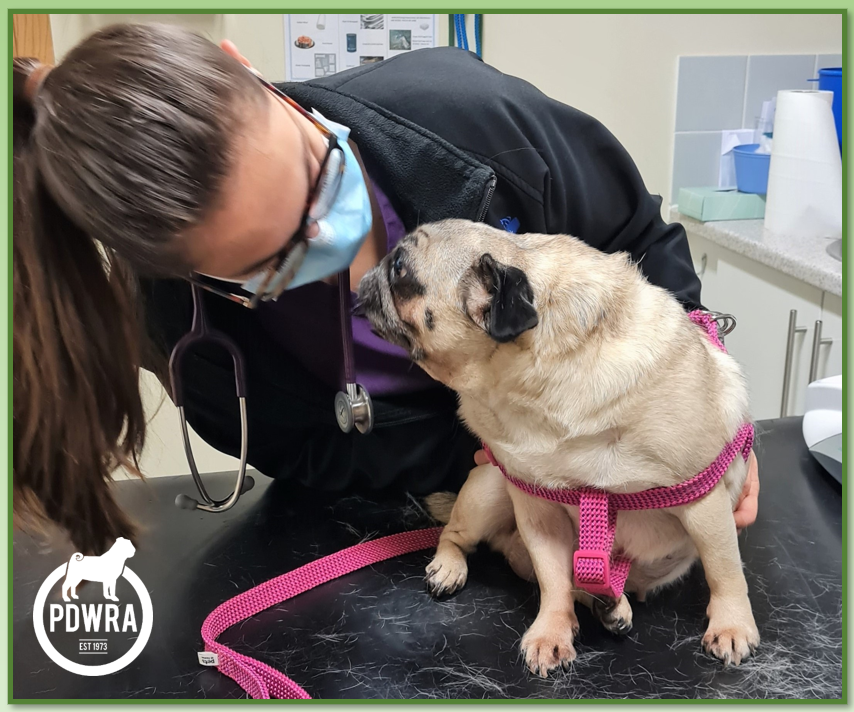
There are rare conditions of the brain such as Granulomatous Meningoencephalitis (GME), Pug Dog Encephalitis (PDE) or a brain tumour, but these conditions are progressive with other clinical signs including head pressing, circling and behavioural changes, and it will soon become apparent that it is not epilepsy. Unfortunately all three conditions tend to be terminal.
Your vet may suggest carrying out an MRI scan in these cases and where medication is not controlling the symptoms, however, if you can’t afford a scan, then MRI won’t alter the outcome; it will just give a diagnosis. GME can be confirmed by taking a sample of the fluid that surrounds the spinal cord and brain (CSF).
However, the MAJORITY of cases of seizures in a pug, are caused by idiopathic epilepsy, a condition they have for life, but is normally able to be controlled through anti-seizure drugs such as Epiphen.
Depending on the frequency of your dog’s seizures, it may not need medication, for example, if they occur every 6 months it won’t warrant being on medication for a life time; It’s all about symptoms vs medication and its side effects.
Having been in contact with a specialist veterinary neurologist, who has a specific interest in idiopathic epilepsy in pugs, the drug of choice is Epiphen (phenobarbital). The dose is altered depending on therapeutic blood levels of the drug, so regular blood tests will be required initially.
Most pugs will respond to Epiphen only, however if the medication isn’t controlling the dog’s seizures, other anti-epileptic drugs can be added, such as Pexion.
Your vet can refer you to see a specialist neurologist at any stage, or if you’re concerned about the treatment.
This is by no means exhaustive, but merely an overview to enable some understanding of seizures and their potential causes.
I hope you find it helpful.
Helen.
PDWRA Vet.
by Yasmin | 6 Apr, 2023 | Blog, News, Pug Health
Why you should let your dog sniff as many lamp posts as they want?
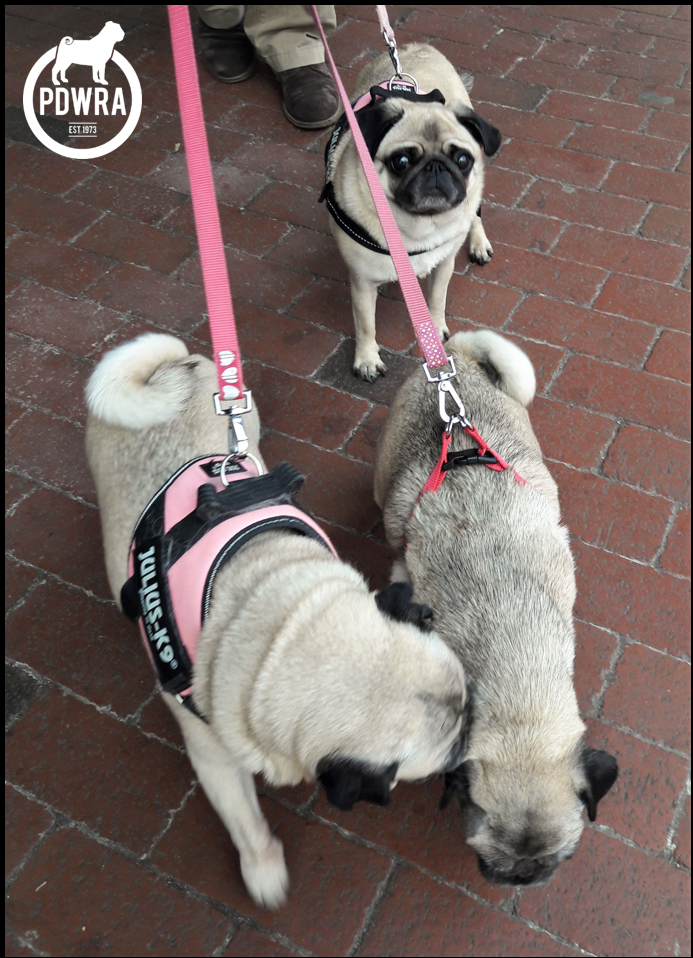
While such behaviour may be frustrating for owners and dog-walkers, experts say you shouldn’t yank your curious pet away.
Article by Joe Pinkstone
SCIENCE CORRESPONDENT
26 March 2023
Dogs should be allowed to sniff as many lamp posts as they want when out on a walk and not be yanked onwards by bored owners, a canine expert has said.
Walks are often perceived by owners as being solely for exercise and to keep a dog physically fit but veterinarians say they also play a vital role in mental stimulation.
Some dogs, especially as they get older, walk with less vigour and for shorter periods of time, preferring to plod slowly and investigate the scents around them.
This should be embraced by owners, even if it is frustrating, counter-intuitive and boring for the walker, veterinarians believe.
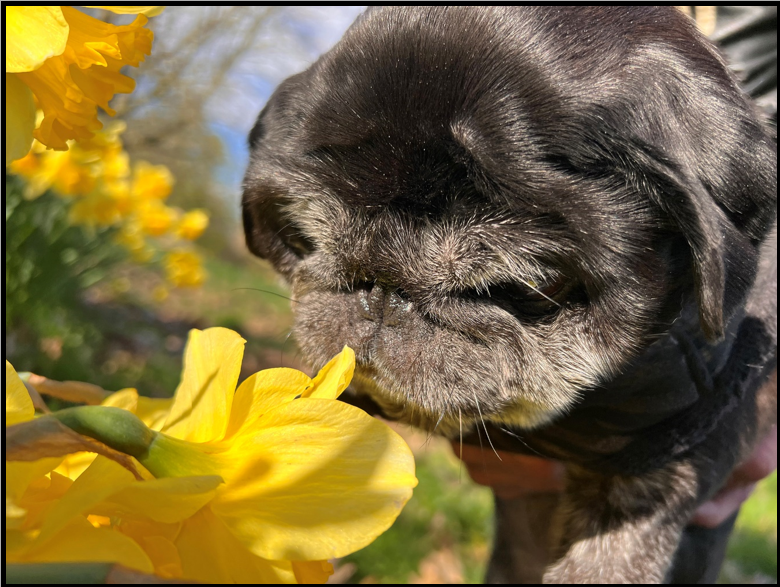
In a talk on how to adapt to living with a geriatric dog at BSAVA Congress 2023, experts spoke about the value of ensuring a dog was still fulfilled, active and stimulated even as its body slows down or it develops age-related health issues, like osteoarthritis.
‘Sniffing is really, really important’
“I think you have to make a mental switch when you’ve got a dog with osteoarthritis; instead of it being you and your mate going out for a really nice walk wherever you want, there has to be some walks that are for the dog,” Zoe Belshaw, a veterinary surgeon working on the BSAVA Old Age Pets project, said.
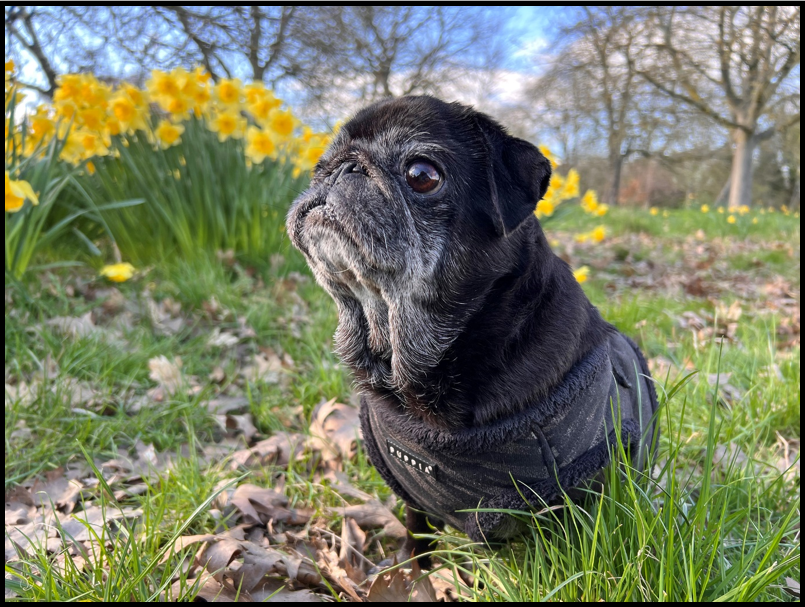
“As most dogs age, they become increasingly motivated to sniff, irrespective of whether or not that’s what they wanted to do before. I think it’s a massively important part of their quality of life, being able to sniff.
“[Older] dogs don’t need to be marching for the whole ten minutes of a walk.
“If you have ten minutes and they go ten metres but spend nine and a half minutes sniffing a lamp post; for that dog that is probably so much better than you trying to drag it around a circular walk around the block.
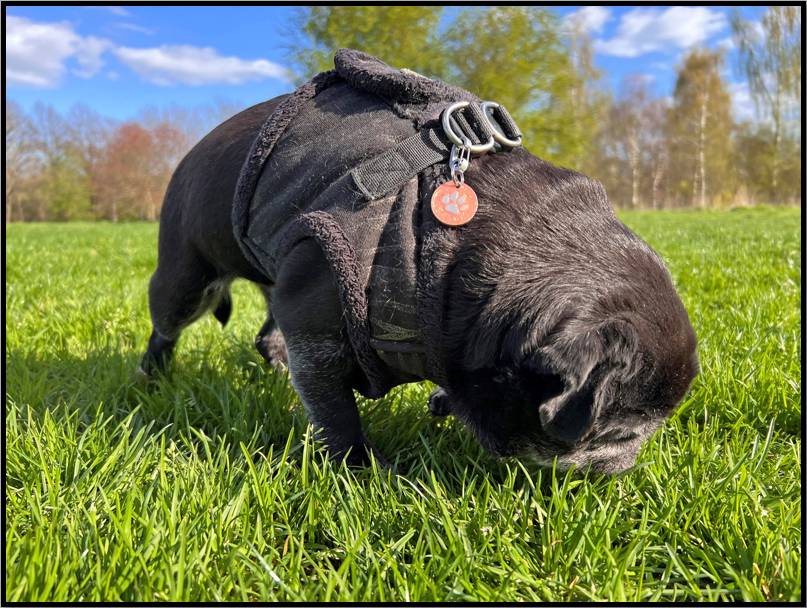
“Sniffing is really, really important. You just have to reframe what the point of that walk is so that you don’t get driven berserk by the fact that you’ve been standing by a lamp post for nine and a half minutes.
“Vets should tell owners to get a podcast or do something that makes the time go by to make it not frustrating for them because you see so many dogs being yanked because the owner thinks either the walk is for the dog and it needs to move, or because they themselves are so fed up of the sniffing – but embracing the “sniffari” is really important.”
Other adaptations people can make to ensure life is as easy as possible for an ageing dog include putting down soft, grippy mats to stop them falling over; playing in different ways; feeding them in an innovative manner; and not changing their home environment.
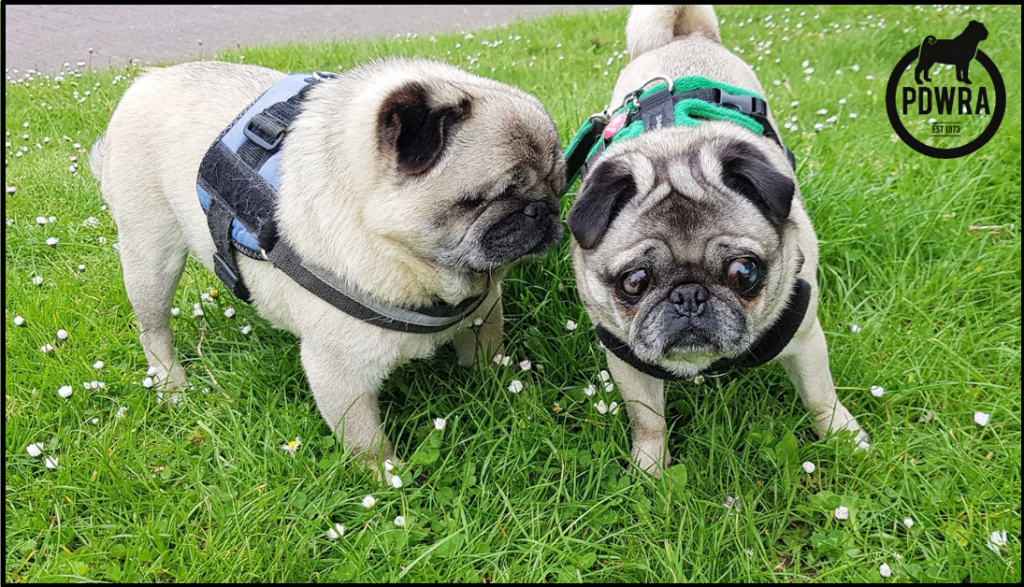
Pug Health & Wellbeing
by Yasmin | 6 Apr, 2023 | Blog, Pug Health
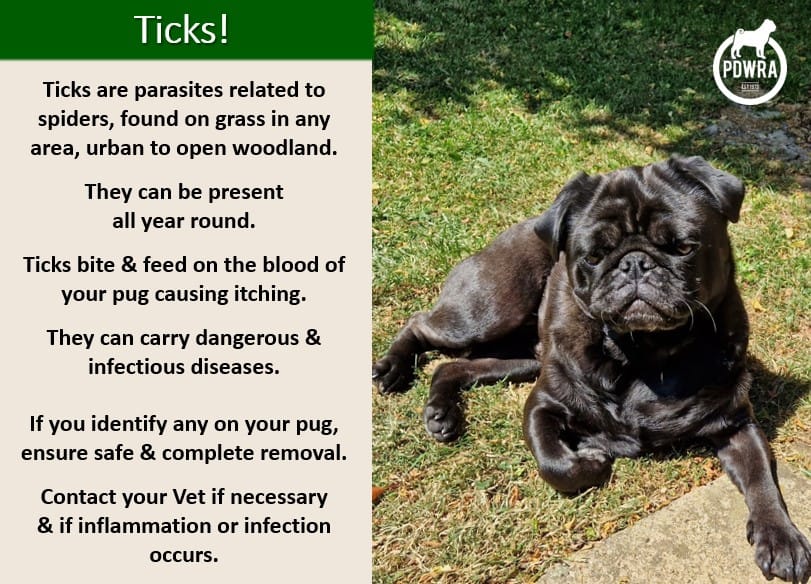
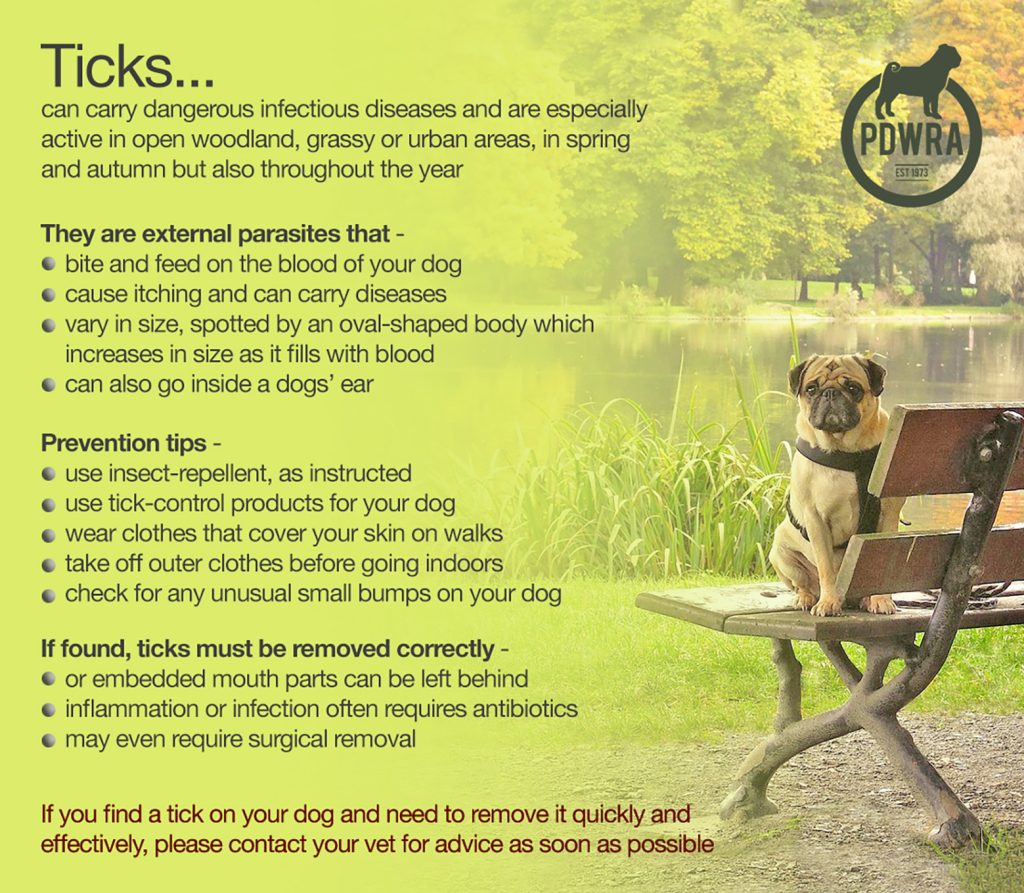
If you’re walking your dog or holidaying in new, particularly grassy areas, you may want to be extra vigilant regarding ticks. They can be present all year round & are not just a warm-weather hazard.
******
Ticks are 8-legged parasites, related to spiders, that lurk on grass to attach to your dog (mammals) & feed on their blood.
They rank second to mosquitoes in spreading infectious disease to both pets and people. So please regularly check your clothing & your dog after walking in potentially high-risk areas.
There are many ways to avoid & prevent you or your dog from getting them, including safe repellent, or tick-control products.
Although very tiny, they can swell up to the size of a pea after feeding on your dog. If you identify one on your dog, your vet should be consulted to ensure safe removal and no further consequences.
******
by Yasmin | 5 Apr, 2023 | Blog, News, Pug Health
It’s officially Spring and Easter is upon us already, so it’s worth remembering the potentially dangerous hazards that are around to our furry friends.
Temptation will be indoors and out, so please be vigilant, and know what to avoid, reminding visitors or children who may not be as aware as we are, so to enjoy this time of year, safely:
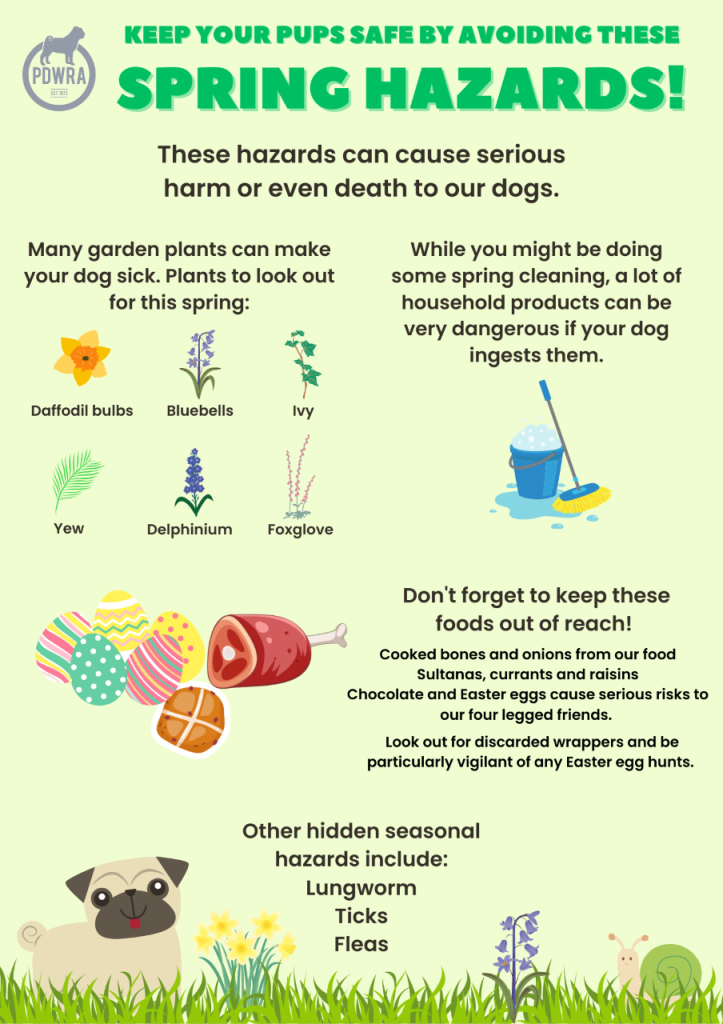
Most of us know about keeping Easter chocolate away from temptation but our dogs will endeavour to seek things out with their highly sensitive sense of smell.
Theobromine found in chocolate is a stimulant. It may cause excitability or muscle twitching, tremors, even fitting, or they may have an increased heart rate. They may initially be sick, but don’t try to make them sick. If vomit is frothy and foamy it could get into their lungs, making matters worse.
Other signs might include drinking a lot, drooling, not walking in a straight line and fast breathing. If enough is eaten then the effects can be severe or even fatal.
Some sugar-free chocolates contain xylitol, which is an artificial sweetener especially poisonous to dogs. It can cause a dog’s blood sugar level to drop to dangerous levels, also possibly liver failure.
If you suspect your pet may have eaten chocolate, keep the packaging and call your vet immediately. Help them regarding the type of chocolate that’s been eaten (dark, plain, milk, white etc.) and how much has been consumed.
To learn more about chocolate toxicity and the signs and symptoms: https://www.pdsa.org.uk/pet-help-and-advice/pet-health-hub/conditions/chocolate-poisoning?
For more on Easter dangers: https://www.thekennelclub.org.uk/easterdangers?
FURTHER FOOD HAZARDS include:
– All chocolate, lying around, discarded or forgotten out on Easter hunts!
– Fruit or Simnel cake, hot-cross buns, anything with sultana’s and raisins (grapes)
– Traditional roasts where bones can easily splinter
– Stuffing, gravy, anything which may contain onion, chives, garlic.
– Other foods, such as certain nuts, blue cheese, fatty and salty foods
Although chocolate foil wrappers are not poisonous, they can cause an obstruction if eaten. This can be dangerous enough to require surgery. Signs of an obstruction may include being sick, being tired, they may be off their food, or finding it difficult to go to the toilet!
If you are spring cleaning, make sure that products are inaccessible to your dog and that they are kept away from areas while being cleaned, or have recently been cleaned.
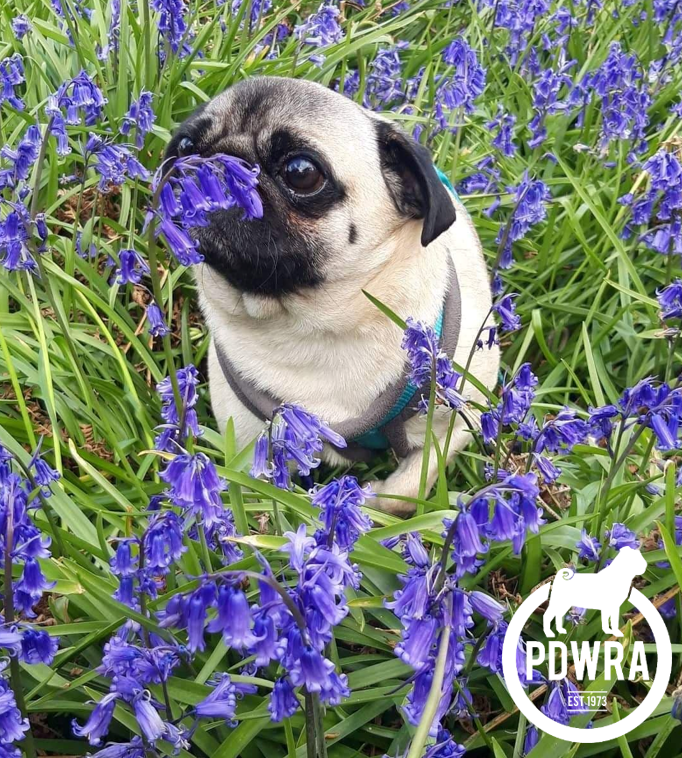
There’s a whole array of OTHER hazards, especially outdoors, including: poisonous plants & bulbs, weed killer, pesticides including slug pellets, compost bins, even grass cuttings!
Many different plants commonly found in the home, gardens and outdoor areas can make your dog ill. Some of these are highly poisonous, while others may only cause a mild tummy upset. Incidents of poisoning from spring bulbs are most likely to occur from dogs eating the bulbs in spring when they begin to flower and autumn when they are planted.
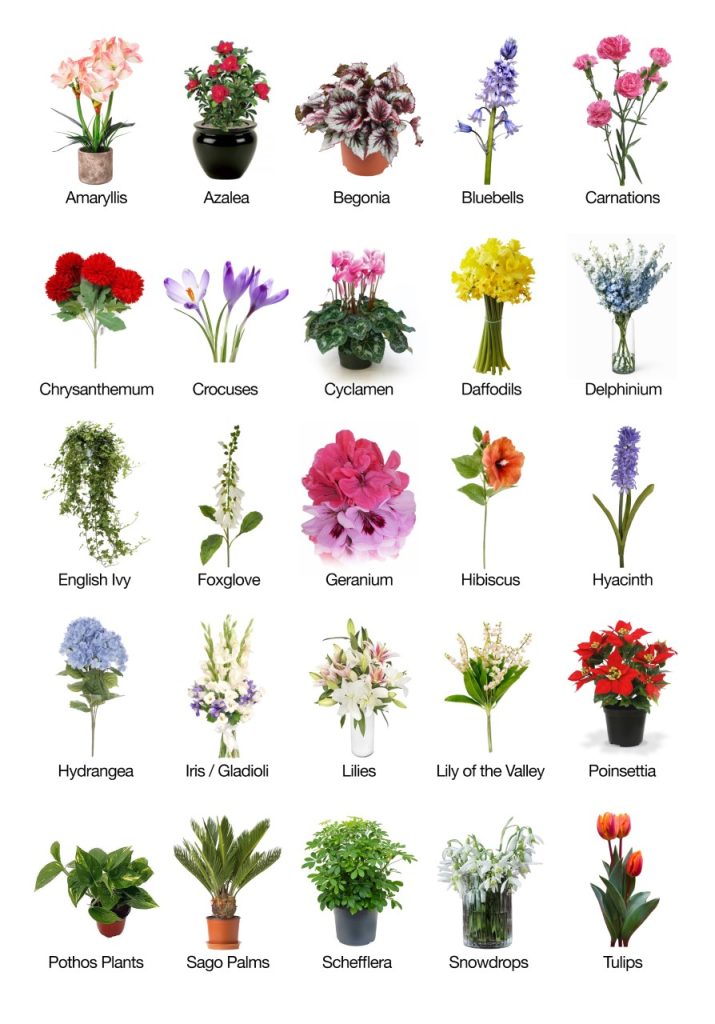
For more information, please see:
Poisons | Dog health | The Kennel Club
Including a comprehensive list of poisonous plants:
Poisons in your garden | Dog health | Kennel Club (thekennelclub.org.uk)
On a sunnier note, here are some, from many, that are regarded to be safe for our dogs:
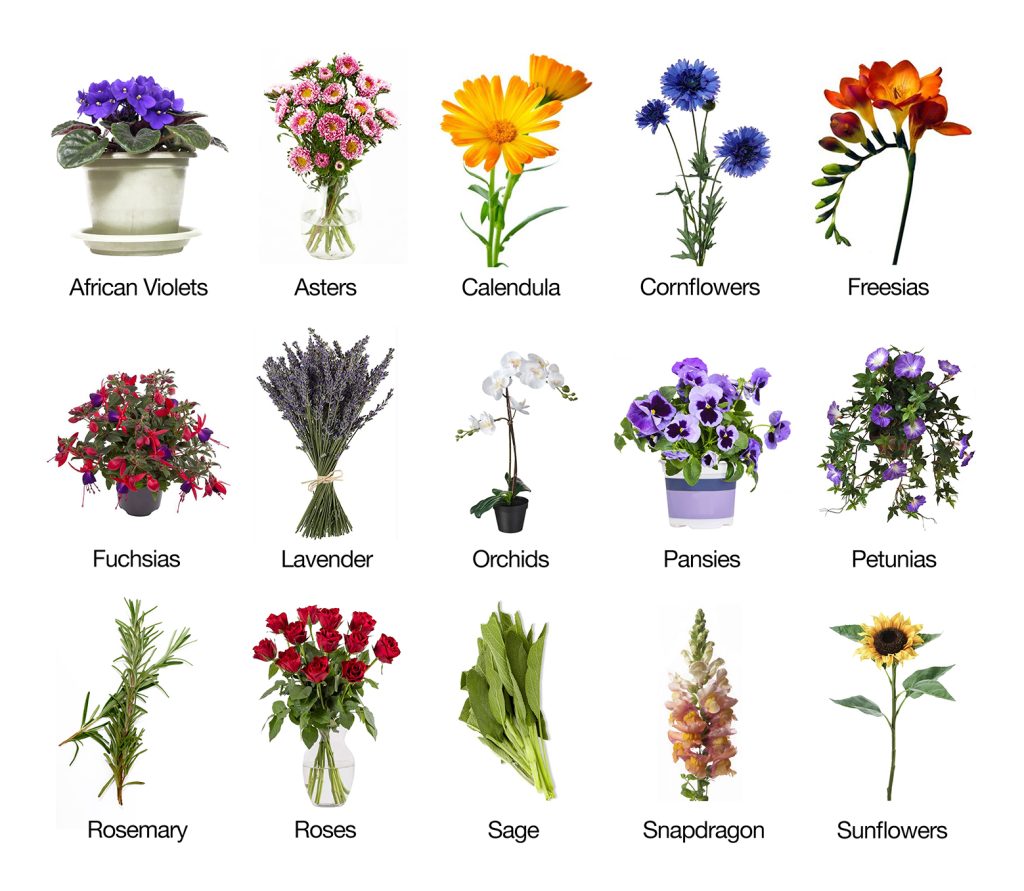
However, if you suspect your dog might have ingested anything that is appearing to make them ill, contact your vet immediately.
by Yasmin | 2 Apr, 2023 | Blog, News
Paul O’Grady MBE – 14/6/55-28/3/23
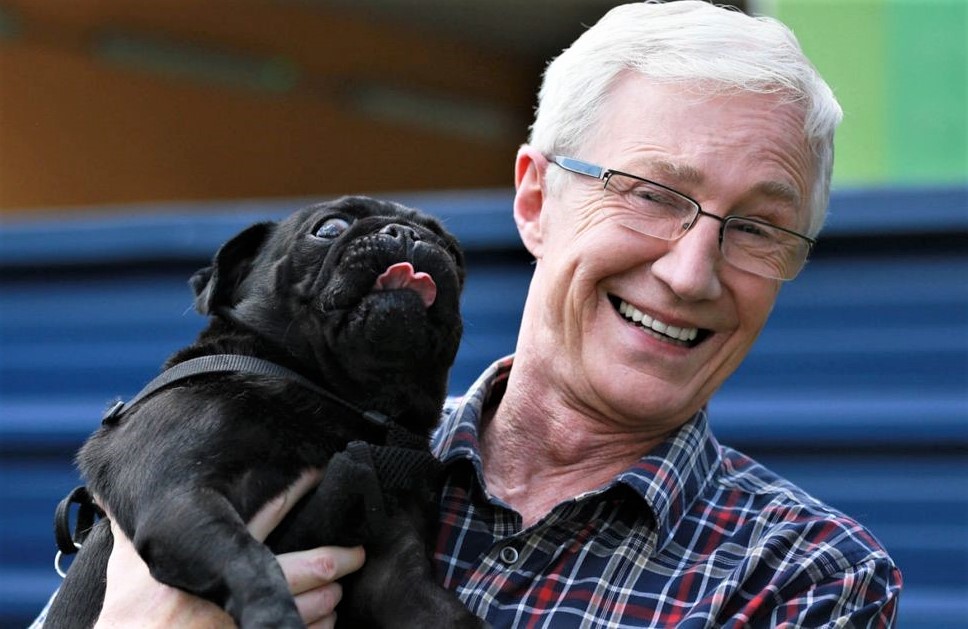
We very much wanted to express our great sadness at the recent passing of Paul O’Grady. As well as his glittering TV career, he was also incredibly active over many years with dog rescue and rehoming causes and will be particularly remembered by animal lovers for this. He has left five rescue dogs of his own.
From 2012 to 2023 Paul presented ‘Animal Orphans’ and ‘For The Love of Dogs’, the latter being centred around the incredibly important work of Battersea Dogs and Cats Home. Apparently, Paul had wanted to work on a show like this for years and it was a role he took to with great passion and enthusiasm.
Over the 11 years of shooting ‘For The Love of Dogs’, Paul brought the importance of rescuing dogs right into our living rooms and helped to raise awareness of this issue to unprecedented levels. In each episode he interacted with members of the Battersea staff, highlighting a selection of dogs in their care and following their stories through to successful adoptions. It’s reported they have received over £100,000 in donations since Paul’s passing earlier this week.
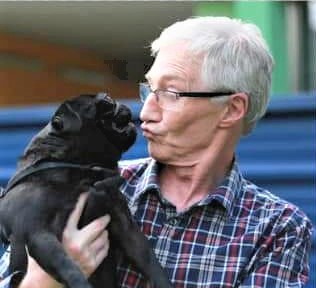
Although originally only scheduled to last for 6 days, Paul ended up staying on as a volunteer for 6 months and at the end of the 1st series was invited to become an ambassador for the home. As a mark of thanks, a bronze statue of his late dog, Buster, who ‘co-hosted’ the Paul O’Grady show, was erected on a plinth at the centre.
Ultimately, the show was so successful that it won several awards, including ‘Favourite Factual Show’ (5 times) and ‘Most Popular Factual Entertainment Programme’ (twice). It was also nominated for a BAFTA for ‘Best Features Programme’ in 2013.
Also in 2013, Paul took part in the ‘Pedigree Feeding Brighter Futures’ campaign which aimed to give a million meals to rescue dogs nationwide. In September 2016 he was recognised for his work with animals when he won the award for ‘Outstanding Contribution to Animal Welfare’ at the RSPCA’s Animal Hero Awards.
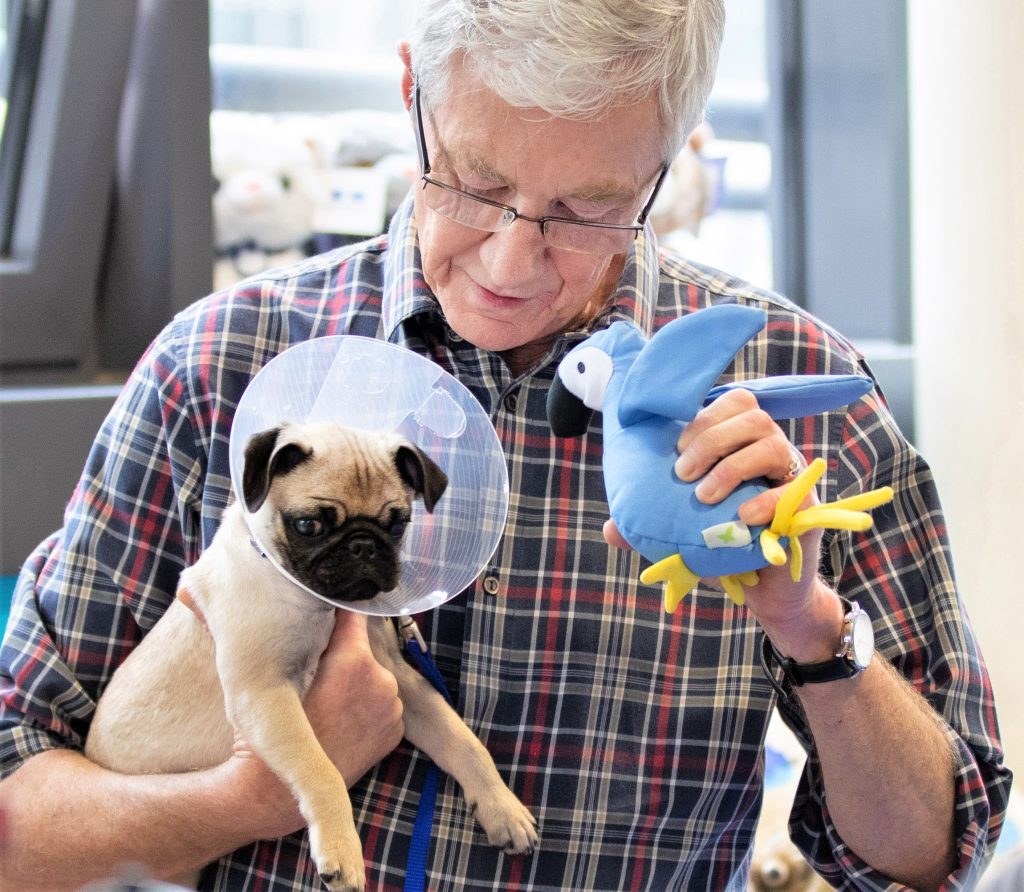
From Olga Productions PAUL O’GRADY’S FOR THE LOVE OF DOGS November 2019 on ITV
Pictured: Paul O’Grady and Pancake the Pug at Battersea
Paul died unexpectedly but peacefully, on 28th March 2023 at the age of 67. His death was announced by his husband Andre Portasio and tributes quickly came in from his many high-profile friends. We’d like to express our sadness and best wishes to all of his family and friends and also express our deep gratitude for everything he did to publicise and help the cause of dogs in need.
ITV will broadcast a tribute show titled For the Love of Paul O’Grady on Easter Sunday, 9th April, 8pm and have confirmed that the 11th series of Paul O’Grady For the Love of Dogs will premiere on Thursday 13th April at 8.30pm.